
Bedtime...But Mom I'm Not Tired!
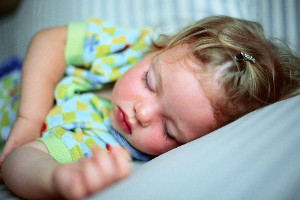
We all remember how we felt, growing up, when Mom called out, "Bedtime!" each night. We resented it. She just picked a time out of thin air, we thought, and made us go to bed, whether we were tired or not. We knew we had a good hour or two left in us, to play or read or watch TV, before we felt the first twinges of sleepiness. We thought we were old enough to decide for ourselves when it was time to sleep, and Mom was making it up when she said, "You need your sleep". "Oh, yeah? Then how come you and Dad stay up till midnight?"
Nowadays, many of us are more lenient about sending our kids to bed. We think that our parents were living in the dark ages, setting those arbitrary bedtimes for the sake of exerting power over us. We're much more enlightened-after all, left to their own devices, kids will get the sleep they need, right? Well, maybe not.
According to the National Sleep Foundation, parents today tend to focus on making their children's waking lives as fulfilling as possible, while they ignore the "forgotten country" of sleep. The result is a large number of children today with sleep-deprivation problems.
Based on a number of studies, it turns out that our parents were right. Kids, especially younger kids, need large amounts of sleep, whether they think they want it or not. In fact, up until the age of five, twelve hours of sleep, including daytime naps, is the optimum for many children.
Many kids, especially toddlers, will fight their imposed bedtimes, while many parents make the mistake of believing that, if they let their kids stay up later, they'll fall asleep more easily. The opposite is often true-the more tired kids get, the harder it is for many of them to fall asleep. And, once they do nod off, their sleep is often more restless.
According to the National Institutes of Health, a child who doesn't get necessary sleep can display a variety of problems throughout the day, including lack of concentration in school, lack of performance in extra-curricular activities, memory lapses, accidents or injuries, and behavioral problems. Many sleep-deprived kids show signs of hyperactivity-rather than lethargy-which can lead to misdiagnoses of other problems, such as ADHD (Attention Deficit/Hyperactivity Disorder).
* One of the most effective strategies is to make bedtime a ritual, and make your kids partners in the decision-making process. Once the parent has set the bedtime, let the child choose which pajamas to wear, which stuffed animals to sleep with, or which story to hear before the lights go out.
* Make evening a relaxing time. Too much activity can get kids too wound-up to sleep easily. Avoid caffeine and large meals close to bedtime. Baths can be help kids wind down and relax.
* Keep your child's bedroom dark and remove televisions and computers; these are distractions which can tempt kids to stay awake, even when they're truly tired.
Our moms may not have had the advantage of numerous scientific sleep studies to rely on, but they weren't just making up facts out of thin air when they insisted that kids need their sleep. They really do!
by By J Gardener
Brought to you by Imaginary Greetings, a regular contributor of valuable family oriented content. For additional tips on how to truly light up your child's eyes this holiday season like never before with a personalized letter from Santa.