When Kids Hit
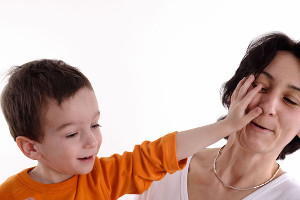
We all get angry, and sometimes young children have difficulty dealing with their angry impulses. When kids are too young to express themselves verbally, they may resort to expressing their anger physically and hit. Even older kids let anger get the best of them and may lash out physically. Children often hit if they've seen someone else hitting or have little impulse control. They may imitate what they see on television or movies. As a result, make sure you know what your kids are watching, and eliminate violent shows. In addition, don't role model hitting at home. Spanking a young child who is hitting will confuse her and make matters worse. Below are some tips to help handle this troublesome behavior!
Stop the negative behavior. When a young child hits, immediately remove him from the situation. Give him time away as a consequence for his actions. For example, if he's in his bedroom playing with a friend, have him move to another room to calm down. With very young kids such as toddlers, you can physically pick them up and move them. As a parent, you need to stay calm and explain that it is not o.k. to hit. Set a timer for his "calm down time". A good formula for setting timers is one minute for each year old. For instance, a 2-year-old can wait for 2 minutes before resuming play.
When older children hit, intervene immediately. Separate the children and mediate while they discuss their problem. Let each child have a chance to speak while the other listens calmly. Then, encourage the aggressive child to discuss what she could have done differently to settle the conflict. Help the kids problem solve different solutions and give them positive feedback for working things out in a calm manner.
Help your kids devise alternative strategies. Take time to help your kids learn alternative behaviors to hitting. Encourage them to express their feelings verbally or walk away when they are angry. If their strategies are not working, let them know that they can seek help from an adult. Even very young kids can learn to use words and walk away from problem situations. Role model these very behaviors daily to set a good example for your kids!
Reward positive behavior. Praise is the name of the game. When you see your child choosing a positive alternative to hitting, let her know that you are proud. Use a behavior chart to set up a formal reward system. Take a look at some of our printable behavior charts!
Stay calm. Always remember that when we stay calm as parents and caregivers, our children will stay calmer and calm down quicker. When our anger escalates, so does our child's. Model calm behavior and give yourself some time-out to calm down if necessary.
Finally... If your child's aggressive behavior seems to be getting worse, you may need to seek professional help. Your child may have additional concerns causing the aggressive behavior that a qualified counselor can help him sort through.
*Check out our behavior chart specifically designed for hitting!
by Joanne McNulty
founder, Free Printable Behavior Charts.com