
Free Printable Behavior Charts. Com


Visit Our Store!

Home

Contact Us

About Us

Other Great Parent Websites

Free Stuff

Questions & Answers

Link Exchange

Behavior Charts

Behavior Charts Ages 3-10

Behavior Charts Ages 11+

Single Behavior Charts Ages 3-10

(to target one behavior)

Chore Charts Ages 4-10

Chore Charts Ages 11+

Potty Training Charts

Pet Care Charts

Teeth Care Charts

Reading Charts

Theme Charts

(practice instrument, morning routine, homework)

Holiday Charts

Example Filled In Charts

Feeling Charts

Reward Coupons, Stickers, and Other Printables

Reward Certificates And Coupons

Potty Training Reward Coupons

Printable Invitations

Printable Stickers

Printable Calendar Pages for Kids

Articles of Interest

Using Behavior Charts

Reward Ideas

Using Our Potty Training Charts

Getting Kids To Do Chores

Nine Fun Ways To Potty Train Your Child

Potty Training - When Should I Start?

Potty Training Boys

Potty Training At Daycare and Preschool

Age Appropriate Chores For Kids

Stress Management Tips

Getting Kids To Love Reading

Homework Tips For Kids

Selecting The Right Pet

75 Ways To Say Good Job

Effective Discipline For Two Year Olds

Teen Parenting Tips

Tips For Parenting ADHD and Spirited Kids

Successful Stepparenting

Tips To Tackle Tricky Behaviors

Tantrums

Sibling Rivalry

Cleaning Up

Brushing Teeth

Hitting

Lying

Back Talk

Thumbsucking

Biting


Sibling Rivalry


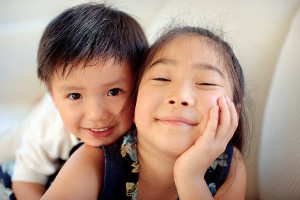
Sibling rivalry rears its ugly head in every household.  Prevention is the key to managing sibling conflict.  Learn to look for triggers and have clear consequences set up for your kids.  We've included some helpful tips for prevention and conflict resolution.  Check them out and get a hold of sibling rivalry before it gets a hold of you!!


How to Avoid Conflicts and Teach Kids Healthy Coping Mechanisms:
 

  • Teach your kids healthy communication and coping skills during everyday routines. Teaching your kids to use "I statements" is productive.  For example, your child might say to a sibling, "When you call me names I feel angry," instead of merely yelling or striking out during a conflict.  Positive communication skills will come in handy with friends, teachers, parents, and other people in your child's life. The book How to Talk So Kids Will Listen & Listen So Kids Will Talk  is a great resource while teaching kids about "I" statements.  It's been around for a long time and valued by parents and teachers alike. 


  • Have clear consequences set up. For example, name calling might be 10 minutes off television time or hitting is a time-out. In addition, use a behavior chart to structure positive rewards.  Have some incentives set up for acceptable behavior.  Check out some of our free behavior charts and read our article on Using Behavior Charts to help get you started!
     

  • Be a good role model for your children.  Resolve your own conflicts in healthy ways.  Yelling and fighting with a spouse or family member may cause children to model that behavior.
     

  • Avoid comparing your children. This will only set the stage for future rivalry.
     

  • Be aware of patterns in your children's behavior. Is there a time of day when conflicts often arise? Is there a consistent cause of conflict? For example, do your kids have a fight every day over which television shows to watch? Pay close attention to your children's behavior and intervene before a problem arises. Help your kids develop resolutions before they are in the heat of a battle.
     

  • Nurture your children's relationships with each other and give them positive feedback.  As always, catch them being good.  When your kids are getting along, let them know you appreciate their positive behavior!


    by Joanne McNulty, Free Printable Behavior Charts


Home   I    About Us   I   Contact Us  I   Link Exchange   l  Privacy Policy

Copyright 2007 Free Printable Behavior Charts. Com. All Rights Reserved.